Apple Podcasts

 YouTube

 Spotify

 Amazon Music

 iHeartRadio

 TuneIn

 Goodpods

 Podchaser
 RSS Feed
Navigating Masculinity and Spirituality: Awakening to Purpose

The Path to Authentic Masculinity with Michael DiPietro
In this episode of Real Men Feel, host Andy Grant interviews Michael DiPietro, a seasoned guide in personal development with expertise in neurolinguistic programming, martial arts, and meditation. Michael shares his spiritual awakening at age 30, which set him on a path of guiding others to authenticity and life purpose. They discuss the wounded healer archetype, the importance of authenticity, and practical techniques for deep healing.
Michael emphasizes that true masculinity does not require proving oneself and stresses the importance of addressing childhood wounds for greater personal freedom. The potent conversation includes Michael's insights on the necessity of body-based practices, the role of vulnerability in relationships, and the transformative journey of knowing one's true self.
00:00 A Mysterious Encounter
00:34 Welcome to Real Men Feel
00:54 Introducing Michael DiPietro
02:02 Michael's Spiritual Awakening
03:11 The Wounded Healer
05:27 False Senses of Identity
05:56 The Importance of Authenticity
06:26 A Life-Changing Experience in Sedona
10:31 Defining Spirituality
11:46 Emotional Expression and Masculinity
16:33 Healing and Identity Work
20:44 Practical Techniques for Connection
33:10 Michael's Book and Personal Practices
35:27 Final Thoughts and Resources
Connect with Michael
Michael DiPietro -- https://loveguides.us/
YouTube -- https://www.youtube.com/@mdp4awakening
Instagram -- https://www.instagram.com/loving_presence_embodiment/
Facebook -- https://www.facebook.com/loving.presence.embodiment/
LinkedIn -- https://www.linkedin.com/in/lovingpresenceembodiment/
Connect with Andy and the Real Men Feel Podcast:
If you don't know what you want, it is very hard to get there. Book a Clarity Call with Andy at https://theandygrant.com/talk
Instagram | @realmenfeelshow & @theandygrant
Personal Website | https://theandygrant.com for coaching, healing, and book info!
Podcast Website | http://realmenfeel.org for all things podcast-related!
RMF Facebook Group | http://realmenfeel.org/group
YouTube | https://youtube.com/realmenfeel
#RealMenFeel ep 347
0:00 And I was hiking down. I stepped into a strange feeling, and suddenly it was like I felt something that I couldn't describe. It was like a presence. And I looked up and it was so stereotypical in a way. But it was just a JetBlue sky with one big thunderhead covering this, the sun with the rays of the sun coming down. And it's almost like the choirs of angels opened up, you know, like, and I was just immediately flooded with an overwhelming sense of love and joy, So powerful, like nothing I've ever felt before. Hello and welcome to Real Men Feel. I'm your host, author, coach and healer, Andy Grant. You can visit theandygrant.com to learn more about me. Real Men Feel exists to remind men that they are human beings and have the right to experience and express all of their emotions.
0:50 We have conversations that most men are not having, but that all men can benefit from. My guest today is Michael Di Pietro. For over 20 years, Michael has been guiding individuals and groups to overcome obstacles and awaken to authenticity, fulfillment, and life purpose. He is a certified Master Practitioner in neurolinguistic programming, a martial arts instructor, skilled body worker, meditation teacher, and has spent time in both Buddhist and Benedictine monasteries. Through his extensive training, deep intuition, and books, he helps clients and readers to truly know themselves, to transform challenges, to find meaning, and to live their life purpose. Michael shares the spiritual awakening he had at age 30 and we discussed topics including the wounded healer, false senses of identity, and the importance of authenticity.
1:37 Practical techniques are shared to go beyond mere awareness of our wounds and into healing them. Michael also shares the one thing that he wishes more men knew, and I completely agree. Let's do it. Hello Michael, and welcome to Real Men Feel. Thank you, Andy. It's a pleasure to be here and I'm excited about our conversation today. What in your life inspired you to become an intuitive, to become a guide, to want to serve people? Yeah, it actually started at age 30. I'm 60 now, so almost 30 years ago exactly. I had a spiritual awakening, a heart opening, and I was pretty lost in my life at the time. But that opening really got me in touch with wanting to be of service and just wanting to somehow work with people. And so I just went through a series of progressions and development that I started doing a therapeutic body work and then I got into energy work and emotional intelligence and just kept evolving my toolbox, eventually working with neurolinguistic programming and then a lot of meditation, a lot of retreats that really helped me have my own breakthroughs. And then it just it, it, it was a step by step progression in my own development that just kept going right. It's like once you get on the path, you, you really just, it never ends, right?
2:58 It's right. When you were growing up, were you aware of that? You had, you know, your strong intuition? Were you a spiritually open person or not? No, actually quite the opposite. Yeah, I would say I was pretty contracted and closed, pretty wounded in my childhood. A lot of times, you know, if you have a healing tendency, most healers are very wounded in childhood. And it's that wound that becomes the impetus, the healing of that, you know, they, the archetype of the wounded healer that really sets us on our path. And it's like, you know, why does everyone else seem so bright and shiny? And I'm not feeling so good over here, right? So I think that wound and the and the drive to heal that in our cells is what really helps us initiate into our own healing abilities.
3:50 Though as a young man, did you have that sense? Did you feel like everybody else is brighter than me? Every else is enjoying life more than me. Absolutely, yeah, I, I struggled with a lot of depression. I had a large family, I was in psychology, I was really in the lost child syndrome. So I just kind of my, my coping mechanism with was to withdrawal from life and just kind of go into my own little world. And that way of being wasn't really true to my nature. You know, I, I do have an internal aspect to me, but I'm pretty extroverted. I, I, I like to socialize. I like to be out, I like to be active. So I really had to find out how to come out of my shell, so to speak.
4:38 And that opening I had really kind of opened me. And then I started to deal with all the content, all the stuff that I hadn't really faced from childhood. And when we do that process, when we can look at those wounds with acceptance and grace and begin to heal, we really begin to have those breakthroughs. So again, it's, I think people get a little scared of the interior life and they, they, as they start to hit those scary places, they tend to externalize again, like they're going in and then I touch something that doesn't feel so good. And so I I come back out and get distracted in life again. Right, so you're saying instead of touching that paint paint spot and retreating it, go deeper into it? Yeah, exactly, exactly.
5:25 So and through it and, and realize where it's coming from and, and how that creates a false sense of self, You know, that we, we become identified with our wounds and that's where we make a little mistake because we're not our wounds. It's it's a it's really just an experience we've had in our past. We. Are not our wounds. Yeah, that resonates a lot because when I was growing up, yeah, like, I didn't think I had depression. I thought I was depression. So I really, I am my wound. The wounds are the real part of me. Everything else is the basad. That identity, you know, it's such a key factor in anyone's spiritual path is, is really who, who are we really, you know, and to ask that question and it's and if we can get to the place of I'm not what I think, feel and do, my true identity is the one having this human experience, but I'm I'm not the experience itself. Cool.
6:18 Got it. So can you share specifically that the circumstances like what, what did you go through 30 years ago? So I was at a low point in my life and I kind of felt purposeless, didn't really know my direction or what what I was here for. And I had a calling to go to the desert and I drove I live in California, Northern California and I drove down to Sedona just packed everything in my car without a plan and went to the Sedona. And I was on my 30th birthday was hiking and they have vortexes in Sedona, which are kind of, you know, I, I don't know how metaphysical your audience is. And, and I don't subscribe to that necessarily myself, but the concept of the vortex is, is that their energy centers and kind of places of more intense energy on the planet. So Sedona is, is supposedly one of these places on the Earth that is, is very magnetic and powerful and had people have a lot of experience there is.
7:17 So I was hiking on one of these vortexes. Yeah. And I was hiking down. It was a big rock. And I climbed up the rock and sat there and meditated. And I was hiking down. I stepped into a strange feeling, and suddenly it was like I felt something that I couldn't describe. It was like a presence and I looked up and it was so stereotypical in a way, but it was just a JetBlue sky with one big thunderhead covering this, the sun with the rays of the sun coming down. And it's almost like the choirs of angels opened up, you know, like, and, and I was just immediately flooded with an overwhelming sense of love and joy, so powerful and like nothing I've ever felt before.
8:01 And it just flooded my system and I just started weeping tears of joy. And the moment I did that, the thunderhead started dropping, dropping little raindrops on me, you know, And I just felt this. And then it started running in waves and just this sense of something greater than myself, a presence that I was part of and connected to. I think sometimes the degree of our spiritual experience is as big as we are off track. So if we're if we're on our path and plugged in and connected, sometimes there's not a lot of fireworks going off. But at that point in my life, I was pretty, pretty lost. And so I think I needed a big experience to really snap me into a different direction in my life. And at that point, it really changed my path. I got into meditation, I got into martial arts, I got into these different tools I was working with and it just became very clear that my path was a spiritual one from from that experience.
9:07 So, so until that point, had you been raised in these sort of religion? Had you doubt like you, you really heard this calling? You heard this voice, a sense to go to the desert and you're just like, OK. Yeah, basically, I mean, I was raised Catholic, but we weren't very devout, you know, and so my, my religious upbringing was not very strong, but I, I always had a sense of the divine, of, of God in my life. And I don't know how that is. I grew up with a special needs sibling. And I think sometimes the impact of that as a young child tells us there's other, other dimensions.
9:48 Sometimes she felt like a guide for me. But I, I just think it's, it's part of my nature. And there, there's no, I don't think there's a set half the set way to do things. I think it's, it's and we're moving into a point in our, our culture where religions are beautiful, but I see them as artwork and relics from the past, right? And there's still relevancy in them. But we don't need intermediaries in our spiritual life. We have the right to a direct experience and a direct access to the divine within ourselves.
10:31 Is that how you would define spirituality? A A direct access to your own divinity as opposed to religion, with kind of rules and rituals and structures and. Yeah, I, I would and I would define spirituality. Not necessarily like for me, I, I guess I'm more mystically inclined. So I want to make friends with the mystery. I want to begin to let the unknown guide me and sit in silence and sit in the stillness. And to me, that's the access point of the portal where dimensions seem to change in our life. If if we just give ourselves periods of calming down. And it doesn't have to always be a regular meditation practice. Sometimes it can just be a walk in the woods or a moment on the beach or you're watching a sunset with with your partner or whatever it may be these quintessential moments in our life where we just feel something different in our heart.
11:34 And, and I know everyone, everyone out there has had that these. Yeah, and anything that reminds us that we aren't just this meat suit wandering around aimless, 100% yeah. Yeah. Traditional masculinity often discourages men from open emotional expression. Have you been able to open express your your feelings and emotions and do you help clients do that as well or is that just not important? Yes, I think it's very important. We, one of the things in masculine spirituality is we have to be careful not to get consumed into the emotional world, into the inner feminine, right?
12:19 Because that's where men can get Moody and lost and, and really not get a clarity about how to relate to the feminine function, right? And by the feminine function, I mean the feeling nature. This this sense of going through an emotion without getting caught in the emotion, without getting identified, but being able to feel what we feel and express it if it feels appropriate. Right, yeah, I find. And I don't. And lots of guys in modern day, there's a lot of like this, what I call distorted stoicism, where people think, oh, stoic means amaze. Not supposed to feel like no amaze, not supposed to wallow in feelings may supposed to here comes some input. Feel it, deal with it, move on.
13:10 Yeah, yeah. And I, I'm emotional and it took me into my, my adulthood, into my maturity and the, into the second-half of life to really understand by emotional nature. And that doesn't have to define my masculinity. You know, like I can feel my emotions and I'm pretty comfortable in them, but that's, that's not what defines me as a man. But if I'm feeling something, it's, it's actually to me part of my physical health to express that or to, to be in touch with that and let it let it run its course. Because I think health problems happen when we repress the emotions and then our body contracts around that. So for me, it's it's not so much a spiritual function, but a health function.
14:03 I mean, it's all it's all interrelated. I've I've never met someone that could be vibrant and alive spiritually only and and not also wanting to take care of themselves physically. And you know, someone that takes care of themselves as best they can physically. And if they are paying back to spirituality then then their physical is not as good as they it could be as well. You know, body and spirit are really one, right? I mean, they're, we're not, we're not separate in that sense. And I know authenticity vulnerability, looking at your website and your and your book that that's that's important for you and and in growth. Why is vulnerability for men so important in creating relationships? I think, I think it comes down to intimacy, right? If we want to really be clear and intimate and connected. I think, and I'm not always a fan of the word vulnerability because I think it gets a bad rap, but it can feel vulnerable if we're opening up a place that like, you know, for example, if I, if I express what I'm really feeling, will I be rejected, right?
15:18 That could feel vulnerable, right? But if we understand our patterning, our, our challenges, our wounding from childhood, you know that all that goes back to the same thing. It always goes back to our childhood wound aid. And so the vulnerability I think is where where we we're a little bit hesitant about really being seen and witnessed, not only in our light, but also in our shadow self right in, in the total. Like, can I just open myself up and say, this is me, flaws and all? You know, I got some great qualities. I got some challenges about me, but you're either going to love me or not in that place, right?
16:01 And I think that's what a lot of men are afraid of, is to really kind of bear it all to their partners in that way, you know? And do you think bearing it all is is helpful, beneficial. Well, I think it it gives us more freedom. I think it allows us to be ourselves. And so we're not, we're not making our relationships as conditional and transactional. You have to behave this way. So I don't feel a certain. When when we chatted previously, you had talked about how lots of men will like dive into an issue and they become aware of a wound and they get a little bit of resolution, but it keep, it keeps showing up again.
16:46 So yeah, what tools are people missing to truly heal a wound and not just be aware of it and again, make it their identity? Yeah, what a great question, because I noticed this so much in a lot of my conscious communities that they're, they're present to the wound, but they're not really getting beyond it, right. And so I think what we need to do is, again, it has to do with our identity and we need to go back to the original wounding point. So it has to do with traveling into our memories, finding the origin point. Where did this originate and who did I believe I was as a result of this wounding?
17:33 OK, Now usually that as a as a child and a young adult, that creates a false sense of self, right? So we need to go back and determine where we erroneously believed that we were older than we were. Would would you consider this to beginner child work? Partially, yeah, but it's also, it's also identity work. Who it, it comes back to that same question, who are who are we really? Right. Who who was I born to be versus who did I learn to be? Who did I adapt to be? But we were born unique and authentic and whole and complete.
18:16 And then we learned like, oh, I got these problems I got to deal with, right? And then and we developed this other identity and that's if if we do enough work, we can see the the folly in that. But that's just not who we really are. But once your brain becomes hooked into that identity to change, it feels like a death, right? If if I believe I'm a certain way and even if that belief is based in a lie about who I think I am in my brain, believe that if I go to change that there's going to be a resistance because the brain in the neurological function is going to fight to keep that identity alive.
18:56 So one of the important tools if we really want to shift it is being able to pacify the fight or fight part of the brain and allow us to feel safe enough to shift our identity that that I know I'm going to survive, even if my illusion of getting on the other side of that feels like a death. Envis examination of identity. Is this something that a man can do on his own? Is it something that should be done in a men's group with a coach? Like what? What's the best way to to do this work? All of the above.
19:37 All of the above. It helps to have a guide, a therapist, a coach, someone to work with because we can't see our blind spots, right? And intimate relationship, we'll also do it. That's going to really help us show parts of ourselves we can't see. And if we have a clear, compassionate relationship, we're able to navigate that pretty well. Men's group, you know, any community will give us another reflection of ourselves and how we show up in community. And then a certain amount is solitary like, like we, we have to take responsibility also to walk our own path.
20:17 But I feel like we can't do it alone. Like if, if you when I was younger, I was very independent. So and I was like, I'm just going to do it myself. And it, it got me to a certain point. But you can only get so far because you really can't. You can't see your blind spots. I. Think. I think it's an African proverb. If if you want to go fast, go alone. If you want to go far, go with community. OK, that sounds good. So are there any practical techniques you could share for how men can deepen their connection and safety with themselves and and or with a partner in a relationship? Yeah, so meditation helps always, right? That's one.
21:02 One useful tool is just to begin to make friends with your truth. And by meditation, I don't, I don't mean, you know, having to clear your mind or having, but but more of an insight like of a pasta meditation where where you're just noticing what you're actually experiencing, what you're actually feeling at any particular moment and beginning to come present and aware in the moment. Right, What, what is my experience and, and, and what am I feeling or going through in this moment? I think in terms of the safety, the fight or flight, we have to know we're safe.
21:44 So a lot of people are struggling. It's it's pretty common in it. And especially like along younger men today, they're struggling with a lot of anxiety and anxiety is really just a projection of something scary happening tomorrow that isn't real, right? And So what I do and I, I feel anxiety from time to time. And what I do is I come into the moment and I ask myself, is there a meet any immediate? And as I sit here right now, I'm like, Oh my God, I'm feeling anxiety. But is there any immediate threat in my environment right now? And we have that anxiety and threat response because we used to get chased by tigers.
22:28 We used to be under physical threat. And that part of our brain kept us alive. It kept us safe. We either fought the threat or we ran away from it, right? And so we still have that function in our brain, but there's no more threat but the but the neocortex in our imagination can sure make up a threat, right? So we can challenge ourselves is my source of anxiety. And what I'm imagining that's scaring the bejesus out of me. Is that real, right? And is there immediate threat right now? No, I'm actually quite safe in this environment right now, right? So just a reality check into the present moment, I think helps immensely to just begin to feel, feel the safety that is actually present in your immediate environment. Yeah, I like that.
23:24 And if it doesn't feel safe because some people are under a real threat, so you know, say, say you had a, a housewife who has an abusive husband, right? She's, she's under a real threat, right? So then, then she needs to remove herself from the environment. She needs to, to take care of safety. And she probably needs some advocate in, in support of that, right? So that so ask for help if you need it and but I think for a lot of a lot of the feeling, it's not real. What guidance would you offer younger men today to build that healthy, emotionally rich relationship and not just wait to hear, not wait till they're 30 to be called to the desert? I would say, you know, one of the things is I want it. Sometimes the younger generations get a bad rap, but I want to give them some credit because I noticed a lot of younger kids that seem more aware at their age than I was at that age.
24:28 And it seems like we are getting more caught. You know, there's more problems in society in one respect, but we're also growing and, and developing in consciousness in another respect. So I just want to encourage younger men to watch, watch the tendency to bolster yourself. So there's, there's a way in which we try to prop up our ego and make ourselves stronger and better and more capable. And, and I think that will work for a while, but eventually that's going to run its course. And so if you can go the other direction and find like find being OK with your challenges, I always tell my clients it's, it's your authentic self that's going to be more successful, right?
25:26 And your authentic self has gifts and it has challenges and deficits, right? So maybe maybe they're struggling with ADHD or maybe they're struggling with anxiety or maybe they're struggling with lack of intimacy or they want to, they want a good loving relationship and they don't know why, why it's going wrong, right? So by being authentic, by by being truthful with themselves and beginning to practice acceptance that it's OK, it's OK to not have it all together, especially in your 20s, right? I mean, that's, that should be a time of exploring our options, seeing everything that life has to offer, checking out.
26:14 And and then in our 30s, we, we ought to start to narrow the field a little bit and get a little more directed and then in our 40s really take off, right. And that, and that's kind of the progression of the development of a man. But I think you know, don't don't worry so much in your 20s. Enjoy yourself. I, I had a blast in my 20s. I got to say, it wasn't very spiritual, but I just had a blast. So, so back to authenticity. How does someone know they are being truthful with themselves? Well. That's a stumper of a question you're really. Really.
26:58 'Cause of me to go deep here. Let me sit with that just a moment. How does someone know they're being truthful with themselves? I think honestly, that's someone something each of us has to answer for ourselves. People know, you know, if we know the truth and we know if we're if we're putting up a facade or not. And sometimes a facade is, is necessary. It doesn't mean you have to tear that down all the time, but it's just about facing what's behind the mask, all right, Who's what's, what's really going on. And So what, what happens is we have our mask, we have our persona, the way we're we're operating out in the world and we have our authentic core.
27:45 And what happens is, is when we're young, we get identified with the outer, outer face. And as we start to go inward and we say, I, I, I know there's a deeper part in me. What we do before we hit that authentic core is we hit shadow, we hit some of the painful stuff and some of the things we'd rather not see in ourselves. And so as we're going in, we hit that shadow and then we go back out again and we, and we end up trying to bolster the mask and the facade again, right? But that's going to only take us so far. And so if we can develop the chops, if we can get our our, our grit, our tenacity, our strength to do that inner work and to heal those ones and go through the shadow, the light at the center of your being is on the other side of that shadow.
28:39 And so the the problem is people just aren't going deep enough. They hit the painful stuff and then they turn back out. It's like, Ouch, that didn't feel good, right? To to to sit with your own pain, or better yet, to, to go through it. Do you find that meditation, bodywork, energy work? That is, is any one of those especially good at it? Does it take all of them or is each person different? How? How does that unfold? I I'd say go with the the, the tools and the techniques that resonate with you most clearly. One of the having some sort of body based practice is probably most important something that yoga, martial arts, dance, anything that gets your body moving, really, really important to to begin to not just talk about it, but to practice through your body. That's going to get you there faster. And that's going to integrate our learning more when we have a body based practice.
29:45 But whatever body work, there's so many modalities out there. And so just just kind of find the one that really resonates with you. And just, I think talk to people, find out what they like and, and explore, explore what, what are your options? There's, there's just so many tools. I, I'm overwhelmed. You know, I live in, in California and we're just in it like I'm, I'm in Santa Cruz and that there's just every night of the week, there's some event on healing or body work or a sound healing or a dance or a prayer group or, you know, just something going on every night of the week.
30:30 And so we're, we're lucky here because we're kind of in the Mecca of healers. And but no matter where you are in the world, in the country, there's something, there's a way you can tap in. And now with the Internet, just get online and start to research different modalities, different different body workers, different energy workers, therapists, whatever, whatever calls you, I would say just just just follow, follow your hunches, right? And and begin to explore and try it out and you'll know if they, if they, if you don't like it, let's try something different. In in all of your experiences, is there something that is your favorite to to give or receive? Well, I love giving my, my approach, which is a presencing technique and way that I, I sit with my clients where it's, it's about a 2 hour intensive session that I do with my private clients.
31:32 We also do workshops and retreats, but the, the technique is mostly conversational based and it's about shifting neurologically shifting these patterns. So that's, that's what I love to do the most because that's my, my unique approach to healing on the receiving end. I, I used to do a lot of body work and therapeutic massage, so I'm a little picky about that. I, you know, if, if it's deep tissue and it's therapeutic and they know what they're doing, I'm really into it, but I don't want to, I don't want to Swedish massage don't get that get that far away from me right?
32:15 And so I also, I did a lot of martial arts. I did 17 years of martial arts and I'm not practicing actively now, but that helped me immensely. It just helped me really get my energy moving, condition my body, understand how to better relate to people. It does so much that you get to work out through the movements and through the forms. And so I think any type of practice like that incredibly useful. Now I do on a weekly basis. I do one yoga Class A week and I do a couple ecstatic dances a week where you just, they go and move their bodies and you know, just just any for me at this point, I'm 60. So anything that gets my body moving and helps build my strength and flexibility, I'm 100% in on that right now. Tell me about your book The Inside Guide. Thank you.
33:15 That was an inspiration. So for about 10 years, I felt I had a book in me. And during the pandemic, that was my project. So in 2021, I started writing a book and I had an outline, but I wasn't very good at sitting in front of a computer. And this is a great example of what I was talking about. Like when we have deficits, they don't have to hold us back. So I was sitting like, oh God, the thought of a blank page and just typing into a computer. I don't know how I'm going to do that, but I want to get this book written. And so I found I had a client, Marcy Donnelly, and she's my, she's now my creative and business partner. And I asked her to write the book with me and to kind of be my muse and dialogue.
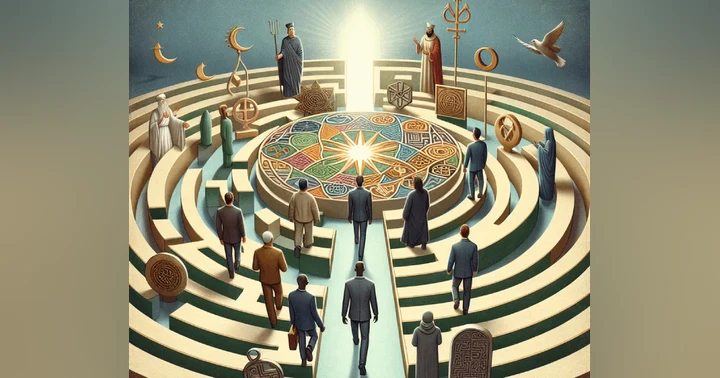
33:57 And we got an app and transcribed our conversations to create the content to the book. And so that method, we ended up getting about 15 written pages a week. So we'd have weekly meetings, we'd get about 15 written pages, edit those pages and pop them into the outline. And we just kept doing that every week. And so the, the, the structure of the book is in three main sections. And the first section is about finding your answers and navigating the labyrinth of the mind and how the mind works in both conscious and unconscious factors. The second is how the unconscious relates to our body and our Physiology and how our programming works at an unconscious level and all the unconscious aspects that keep us stuck and locked and how to how to begin to move beyond those. And then in the 3rd.
34:53 So if you kind of look at it as mind to body, the third phase is spirit, and that's really getting beyond ourselves and looking at our purpose and how we give back. So the first two sections are really about going into our mind body, reaching our center. And then in the third section, how how we express our purpose out into the world. What's, what's our true calling? What are we here for? And how do we begin to live a more mystical spiritual life in this wacky world that we're in sometimes? So that's really the the journey, the whole journey of the book there. Excellent. Michael, what is one thing that you wish more men knew? One thing I wish more men knew that you don't have to prove your masculinity like there's there's nothing to prove.
35:42 And if we could just drop the proving and the posturing and begin to just be authentic the way there are that that guy is man enough just the way he is. Before you were 30, did you believe you had to prove something? 100% yeah. I was all about it, you know, and, and I think we all go through that to some extent, you know, like when we're younger, we want to get out there and slay the Dragons, right? And that's, that's like proving I'm successful, proving I'm capable, proving I'm enough for, you know, making a living and, and making it in this world, right? And we do need to prove that to ourselves to a certain extent. But I would say trust that you're capable, trust that you know, and if you still need to prove it to yourself, I guess there's nothing we can do about that. If you're going to do that, you're going to do that, but you don't need to prove it to anyone else. Yeah, 'cause I, I think there there's a difference. To prove something to yourself is almost to do something until you find that knowing that it's right for you or that you've, you've hit your, you found your purpose of something. Meaning something you want to do versus proving something to someone else feels like you're putting on a mask. Yeah, yeah, I would agree.
37:02 Michael, what's the best way for people to learn more about you and and all that you're up to and offer? My website is called love guides dot US. So LOV e.g. UIDES dot US. Love guides us because love is our true guide, right? And so that's that's our website. They can find everything on our website. We do monthly, free monthly virtual gatherings with different themes. So the ones we have coming up next month is called cultivating community and that's about how we give and receive in community. Then we're looking see, we just came up with our next couple ones staying grounded through uncertainty is in May and then we have creator consciousness and what that's about as June.
37:55 So we, we just throw, throw out different themes and we have very, you know, it's for us, it's, it's really about cultivating community. And so we, we want to really support people in whatever way they can. And then if they're interested in working more with, with me, I take a certain number of private clients. I don't work with a lot of and we're working on a bigger launch right now for our program, which is called the Conscious Creator Pro Pathway. And that's really about taking creative ownership of your life and creating the full life experience that you want to have. And so it's really about getting beyond the uncertainties, getting beyond the doubt, getting beyond the struggle and beginning to really achieve the success that each of us is looking for. And mostly that's that's geared a little more towards people that are conscious and and purpose driven. And so we really want to work with entrepreneurs, with creative types, with people that have a vision and want to have an impact in the world.
38:57 Very cool. Michael, thanks for talking to us today, sharing your journey. And I was going to say more importantly, but have equally important how you're serving the world today too. And thanks for everyone for joining us and listening. Please visit Real Men Field org. There'll be a blog post for this episode. We'll have all the viewers, links and resources that we discussed. If you're not yet in the Real Men Field Private Facebook group, or maybe you didn't know what existed, you can join that by visiting Real Men field.org/group. You can always reach out to me at realmenfeel@gmail.com. And until next time, be good to yourself.

For over 20 years Michael DiPietro has been guiding individuals and groups to overcome obstacles and awaken to authenticity, fulfillment, and life purpose. He has a B.S. degree in Engineering, is a certified Master Practitioner of Neuro-Linguistic Programming, a Martial Art Instructor, skilled bodyworker, meditation teacher and has spent time in both Buddhist and Benedictine Monasteries. Through his extensive training and deep intuition, he guides clients and readers to truly know themselves, to transform challenges, to find meaning and to live their life purpose. He lives in the San Francisco Bay Area