Apple Podcasts

 YouTube

 Spotify

 Amazon Music

 iHeartRadio

 TuneIn

 Goodpods

 Podchaser
 RSS Feed
Presence Over Perfection For Dads: The Engaged Father Project
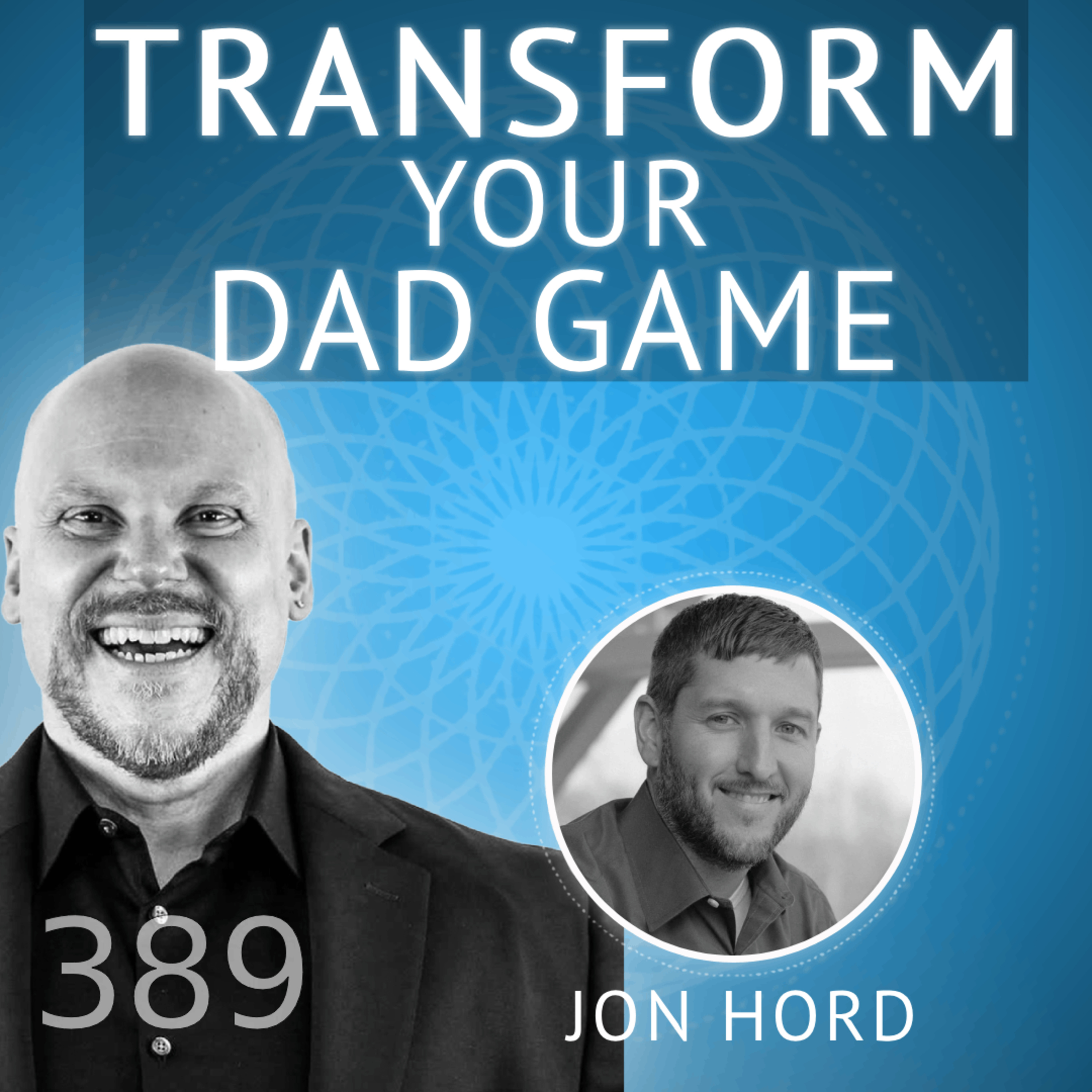
Transformative Fatherhood with Jon Hord: From Reactive to Present
In this episode of Real Men Feel, host Andy Grant speaks with Jon Hord, founder of the Engaged Father Project. Jon shares his journey from a stressed-out father to becoming an emotionally regulated, present parent. They discuss intentional parenting, emotional regulation, and redefining strong fatherhood. Jon explains the importance of self-awareness, vulnerability, and conscious choices in improving fatherhood.
He also discusses his transition from a corporate career to life coaching and the development of the Engaged Father Project, which helps fathers become the best versions of themselves. Jon offers practical advice for daily practices that can help fathers align their actions with their parenting goals.
00:00 The Power of Vulnerability in Fatherhood
00:27 Introduction to Real Men Feel
00:41 Meet Jon Hord: From Reactive to Present Parenting
01:06 The Biggest Disconnect in Fatherhood
03:10 Jon's Journey: Becoming the Father He Didn't Want to Be
05:40 The Turning Point: Finding a Life Coach
08:31 Creating the Engaged Father Project
14:03 The Role of a Life Coach
15:56 The Importance of Vulnerability in Fatherhood
34:54 Daily Practices for Intentional Fatherhood
38:09 Final Thoughts and Resources
Connect with Jon
The Engaged Father Project — https://theengagedfatherproject.com/
Instagram — https://www.instagram.com/theengagedfatherproject/
TikTok — https://www.tiktok.com/@theengagedfatherp
YouTube — https://www.youtube.com/@TheEngagedFatherProject
LinkedIn — http://www.linkedin.com/in/jon-hord
Connect with Andy and the Real Men Feel Podcast:
Join me and connect with other like-minded men in the
Authentic AF Community | http://realmenfeel.org/group
Instagram | @realmenfeelshow & @theandygrant
Andy Grant | https://theandygrant.com for coaching, healing, and book info!
Real Men Feel | http://realmenfeel.org
YouTube | https://youtube.com/realmenfeel
#RealMenFeel ep 389
0:00 I think helping fathers understand not only that it's OK to be vulnerable, but that there's this pretty incredible power that comes along with being vulnerable and just being able to raise your hand and say, like, I don't have all the answers. And not only is that OK, but it's an incredible first step to like real meaningful growth. Hello and welcome to Real Men Field. I'm your host, Andy Grant. You can visit theandygrant.com to learn more about me. You know, a lot of men want to be great fathers, but stress, pressure and old patterns keep getting in the way. Today's guest, John Horde knows that struggle first hand. He went from stressed out reactive parenting to becoming deeply present with his kids.
0:48 And now he helps other fathers to do the same thing through the Engaged Father Project. This is a conversation about emotional regulation, intentional parenting, and redefining what strong fatherhood really looks like. Let's do it. Hello John, and welcome to REAL Men Feel. Yeah. Thank you for having me, Andy. You know, you do know many men want to be present, authentic, grounded fathers, but they find themselves being distracted, overwhelmed, reactive to things. What do you see as the biggest disconnect between the intention of fathers and how they actually? Act, That's a great question. You know, I think a lot of times it's just not not looking inward, right?
1:34 It's kind of like staring at the sun, right? It's painful to look into a mirror that might show us, you know, where we're not getting things right. You know, as fathers, I think we typically take a lot of pride in being a provider and, you know, doing the hard things and, you know, sacrificing ourselves for the betterment of our kids. And those things kind of feel noble. And there's a lot of pride that is kind of built into that. But I've been spending a lot of time just thinking about like, what is it that we're avoiding? Like what are the things that we think might allow us to grow or to change in a way that would benefit those around us? But it's just maybe a little bit too uncomfortable to do it. So I think that's the biggest disconnect, honestly. It's that it's that painful acceptance of I have flaws, I'm willing to open myself up to see them because I know what's on the other side is worth it.
2:35 Was there a point in your life that you realized I'm becoming the father? I said I never would. Well, professionally, yes, like I, I set out, I, I went to art school. So I remember being in high school saying, you know, I want to go a different path than my dad did. And my brother was eight years older than me and he, you know, kind of went to business and marketing and advertising path. And I remember thinking, I just want to, I want to do something different. I don't want to, I don't want to do business. And so I went to art school and I got a job out of college, you know, working in an art department. And within this same company, I worked there for 18 years.
3:16 I eventually got offered a position that seemed really attractive at the time because of all of the, you know, the perks and the status that came along with it, where I switched roles and I went from being in a creative capacity to being in more of a regular business capacity. And so I, I switched gears because I was, I was attracted to the material things that would come along with making that switch. And so I kind of, I fell into a professional path that I said I would never fall into. And as a result of that stress, anxiety and, and, and all of the things that came along with this, you know, new career path, that is what basically forced me into becoming the type of father that I didn't want to become like where, you know, full of good intentions. I, I was a good dad and I think anybody would tell you that. But, you know, my frustrations were just barely underneath the surface level.
4:20 And it wouldn't take a whole lot to expose those things. And you know, when that was happening, you know, when those things would sort of erupt, you know, then then I was able to see pretty clearly that, you know, this isn't the type of dad that I want to be in. You know, this is not the type of husband that I want to be for my wife. So that's what that's what really showed those things to me. Yeah. And in my experience, in the experience of most men I come across, the men have been taught emotional suppression, not emotional regulation. So it was that your experience? Yeah, I think so. I think it's pretty standard and I I certainly fell into that. So how did you personally learn to change that? Well, in the, in the, in the point in my life when things got really hard, stress and anxiety at an all time high had my first panic attack, which is, is an awful thing to experience. When things got really challenging for me, I, I, I found a coach.
5:26 I, I wasn't looking for a life coach. And at the time, if you would have asked me what a life coach was, I would have, I would have given you the wrong answer. I, I would have told you that a life coach is for somebody that is just lacking life skills. They can't get their stuff together and they just need like basic skills to their life so they can go out and support themselves. So I, I started working with a coach and they, they quite literally changed how I, how I saw and experienced my life. And for me, that was really the entry point into into all of this, you know, self exploration and personal development and just getting really clear on, you know, not only the type of dad that I wanted to be for my kids, but the type of person that I wanted to be on a, on a day-to-day basis.
6:21 Yes, for the people around me that I care about, but also for myself. Yeah. One thing that I think it gets, you know, it, it's mislabeled and misunderstood, but I find that if more men were truly selfish and that they wanted to feel good and, and enjoy their lives more like that repercussion is really positive. Everybody around us, but we're, you know, we're taught that selfishness is bad. But I, I find healthy selfishness can actually end up being rather selfless. Yeah, yeah. And I like what you said there. And I, it makes me think about, you know, filling your own cup. It's something that I say to my kids all the time. I've shortened it. And it's just like, hey, let's fill cups. You know, if one of them kind of makes a snide remark to their sibling or it's just, you know, something kind of cutting, like, hey, let's fill cups.
7:09 Meaning, you know, that we as a parent or as an adult that we want to do things intentionally in our lives that allow our cup to be full and to serve others from what overflows from that cup and to not prioritize helping everybody else around us at our own expense. And I mean, it's, it's like, it's the oxygen mask thing, right? The adult puts the mask on 1st and then you help your kids. It's that sort of healthy selfishness. I I do think is is incredibly valuable and often overlooked like you said. So what led you to the creation of the Engaged Father project? Well, so that job I was telling you about, I worked there for about 18 years.
8:05 I, I started there part time, ended up vice president, you know, thinking all along the way that if I just get one more promotion or, you know, get a salary increase, that, you know, happiness will be there waiting for me like a pot of gold at the end of the rainbow. And, and I got to a point where I realized that's just not true. And so I was at a crossroads. And like I said, I'd worked with a coach and it changed my life. And so I started thinking, you know, maybe I could maybe I could become a coach. You know, I love being in that space. If I could help people the way that I was helped, you know, my life was changed.
8:49 If I could support somebody else to change their life in a meaningful way, like how cool is that? And like if I could also pay my bills while doing that. Like it just seemed like an awesome opportunity is like, check, check, check. Like those things are incredible. Like those things are three things that I I want to, I want to hitch my wagon to those three things. And so, yeah, I was left to make a decision of do I want to continue down this path at my, the, the career that I've been on for a long time, or go out on my own and start something new. And I took some time to reflect on it and said, you know what? You know, I was, I was sitting on my deck. It was a sunny day.
9:35 And I, I, I or casted myself, I visioned myself on my deathbed at the end of my life, looking back on that exact moment in time where I was sitting on my deck contemplating this life decision. And through that lens of, you know, what would I be most proud of in my final days? You know, which decision would I want to make in that moment? And it and it became crystal clear to me. And so I went and got certified as a life coach, went through an incredible program that was really intense and transformational and grew so much going through that process and made some amazing friends and, you know, came out on the other side as a life coach. And at that time, I was calling myself a success coach where the concept was like, you know, hey, you're, you're, you're working hard and you're being a provider and you've got all these goals, you know, that might be waiting until retirement. Like, let's not defer your happiness until then. You know, let's whatever it is about retirement that sounds really attractive to you, Like, let's find a way to pull some of that stuff into your life today so you're not waiting to be happy.
10:51 And that was starting to work. And I was working with clients and getting great results. And one of my friends and peers that I went through the coaching certification process with emailed me. And she said how I was, I was vacuuming and I had a thought about something you should explore. Do you want to hear my idea? And so we jumped on a call and we talked about it. And she said, John, all along the way I saw you talking about these improvements that you were making in yourself, but for the benefit of your kids, like you wanted to be the best father that you could be. And she's like, I think you should do that for other people. I think you'd be great at it.
11:34 And I think there's a real need for that. And so we kind of put a framework together for that. And I, you know, that was going to go on the back burner. You know, it was going to be a group coaching program for men. But at the time, I was focused on doing this one-on-one work as a success coach. And it was maybe 2 weeks after that I was doing some work on my computer and I don't know what brought it on, but I just had this moment of absolute clarity. It hit me like a lightning bolt and I just, I knew that, you know, the engaged father project, helping helping fathers get really clear on on the type of dad that they want to be for their kids. Why they still have the opportunity to do that with their kids before they grow up and leave the house. Like I could just, I could feel like the value there. And I wanted and I wanted to be AI want to be a part of that, right?
12:32 Like, you know, there are so many sort of stereotypical things that come along with being a father and some are good and and some I don't think you're very healthy. And I want to be AI want to be a part of working with people to figure out, you know, what is that ideal version of a dad look like? And like, let's get you there. Let's start putting processes and get you taking steps to to fulfill that role so you don't end up on your deathbed carrying the weight of regret. Just realizing when it's too late. Like maybe I was too focused on work or maybe my job had me traveling too much.
13:12 You know that that regret is heavy. I've talked to plenty of older fathers that live that experience and it's hard. It's hard for them to carry that with them and and I would love to help dads not feel that way. So how do you describe a life coach today? Well, that's a good question, and I think it can take different forms. My, my version of a life coach, they help you see what you wouldn't see otherwise. There's something pretty magical that happens when you're talking to another person that's not going to judge you.
13:57 This the type of coaching that I do, you know, I don't, I don't give advice, you know, I don't, I don't tell people the type of dad that they should be really safe space where dads can, you know, take their masks off or put their put their armor down, right? We go through life being guarded a lot of the times and, you know, we're on the lookout for threats and conflict. And just to be in a space where you can sort of take that off and all of a sudden, like you feel a little bit lighter and to have somebody just ask curious questions. You know, I'm not trying to lead anybody to anything specific. Just asking questions and letting people have a space where they can answer in a way that quite honestly, most people haven't ever had that type of space before, right? To be in a, in a spot where you can answer with, without the fear of judgement.
14:54 It allows people to access a different part of their brain and they start to discover things that are, that have really been there all along, but they just couldn't quite get to them. And it's, it's, it's a, it's a pretty fantastic process just just to be a part of, honestly. We mentioned many stereotypes of fatherhood. What are some of the most damaging stereotypes that that you come across? Not showing weakness. That's, that's one that I'm, I'm thinking about so often these days is about what does it mean to be vulnerable? And you know, why, why our fathers kind of, you know, encouraged to not be vulnerable a lot of the time.
15:40 And, you know, my own theory is that it has a lot to do with, you know, being raised as a boy. And, you know, boys aren't supposed to be weak. Boy, the thing boys don't cry, right? That exists for a a reason. And maybe it's served a purpose at some point in time where you had to present this this vision of strength, because if you didn't, somebody was going to come along and club you in the head and take your food or your valuables or whatever. And so that that image of strength was essential for preservation. But, you know, times change.
16:21 And that's, that's not the world that we live in right now. And so I think helping fathers understand not only that it's OK to be vulnerable, but that there's this pretty incredible power that comes along with being vulnerable and just being able to raise your hand and say, like, I don't have all the answers. And not only is that OK, but it's an incredible first step to like real meaningful growth. And you mentioned helping people discover their idealized version of a dad. Is that version different for each person or is there an ideal that fits everybody?
17:07 No, it's totally unique and you know, the work that I do, it supports that. Again, like I don't, it's not like I've figured out how to be a great dad. And if you just follow my three steps, you'll be a great dad too. It is it is completely unique to each father. And, you know, one of the one of the ways that, you know, I help dads kind of realize like, you know, what kind of dad do you want to be is just imagine that your kid is, you know, they're 18 and they're leaving the house and maybe they're going to go to college. Let's just say they're moving out. And when they move out, they're going to have a roommate.
17:47 How would you hope that your kid would describe you as a father to their roommate? You know, what do you want them to say about you when you're not around? And whatever those answers are like kind of working backwards to see like is what you're doing today not, not your intentions, not the reasons why you're doing these things? Like are your daily actions supporting that ideal outcome that you have? And a lot of times, if we're honest with ourself, our daily actions don't really align.
18:27 We've mentioned the power and importance of being vulnerable. What other emotions do you see fathers commonly feeling but rarely admitting? That we don't have all the answers, That there's times when we just don't know what to do, That we're scared. You know, like fathers are supposed to be strong. We want to be that, that rock of support, you know, for our kids. And we want them to feel comfort in knowing that we are strong and that we're always there for them. And that's OK. But sometimes that desire to always be strong makes it so we can't raise our hand and say I'm scared.
19:12 And being scared is a human emotion. And when we just like suppress that or just act like it's not there, we're unwilling to show it for other people. I think that's got long term consequences both within the family and then, you know, for the for the father himself, right? Like having challenging emotions that you're experiencing but not having any outlet, forum or a way to work through those. That leads to a heavy life in my opinion. And I, I imagine that's the sort of thing that keeps someone in that reactive mode where I'm just storing all my emotions and because in my experience, every emotion is going to be felt and expressed.
19:55 And if I don't do it consciously, it comes out sideways and distorted ways and in non productive ways. Yeah, it the emotions. We'll find a way out. And, you know, when I turn the clock back and I think about when I was, you know, working in, you know, in my corporate career, yeah, I, I said that my frustrations were right under the surface. So, you know, a kid would do something small that would upset me. You know, and maybe the kid did something that just truly wasn't unkind. And it needed to be sort of like a coaching moment or a teaching moment. But maybe they just did something that was completely age appropriate and my my reaction wouldn't be right sized for what they did. It would be oversized because like you said, you know, when we're carrying all of that stuff under the surface and it doesn't have an outlet, you know, it's like a volcano. It's it's going to find a way out. And in those moments are they're ugly, they're painful. I, I, I still have some where I still carry the regret of some of my reactions.
21:01 I'm thankful that it didn't ever escalate to something that was too severe or anything physical like that. But I have some moments that I'm not proud of, for sure. You help men recognize when they're parenting from some old conditioning versus their their conscious choice. Yeah, there's like a little exercise that we do called, you know, what's in your parenting backpack. And it's just kind of pressing pause to take a look at like what are what are all the the tools that you have, the beliefs that you have, the things that you saw, you know, from your father or from your parents or from other parents. Like all these things that you just kind of collect over time, stopping to like actually take a look and explore those things.
21:48 And some of those things might really be working well for you. It's like, OK, cool. Like let's lean into those like identifying what is working well and let's multiply how frequently we're using those things. And then maybe take a look at some of the things that like, you know what, I've always believed that that is true, or I was told that that's the way things are supposed to be done. But if I stop and really examine like the results of that, I don't, I don't like the way that that feels or I don't like the way that my kids feel when that happens. And so I'm not going to do that anymore. And so there's things that we're going to like pull out of the backpack. And then there's other things where like maybe we can just transform what it is.
22:34 And there's one, when I was going through my coaching certification process, we went through this exercise where you write down all of your beliefs and you can start to uncover your beliefs just by filling in the blank. Like I believe that fill it in and you go through an exercise and it's just sort of a mind, a mind dump, a mental dump of whatever that blank is. You just kind of keep writing that out. And the first one that came to mind for me when I did that and I hadn't thought about it in years, was something that I was told when I was young and it was coming from my dad. And it said, if you're going to do something, do it right. And it, you know, in the moment, I was like, whoa, like I haven't thought about that in so long.
23:23 And I kind of, I stopped and I was thinking about it. And, you know, I don't fault my dad for saying that. I believe that he said that with nothing but good intentions about putting a good foot forward, you know, putting good work out there, it'll help you advance and get good things again, said with love and good intentions. But I can tell you, like for me, I've been like a perfectionist all my life and it's something that I'm working on. And I was afraid to do something unless, unless I thought I would do it well or do it perfectly. And so a lot of times I would just sort of stay small and I would talk myself out of doing things because, you know, if I couldn't do it at a really high level means I shouldn't do it. Well, failure is not only is failure OK, it's, it's really healthy.
24:18 And now I believe that if, if you're not failing, it means that you're not close enough to the edge to be trying new things. And I'm, and I'm really working on kind of taking that to the other extreme where instead of avoiding, avoiding failure at all costs, it's now like a goal of mine. It's a, it's a bit of a, an expectation that I'm putting on myself to make sure that I'm trying enough new things and I'm letting go of this like, well, what if it doesn't go well? And all the fears that come along with that, just kind of letting that go and it, it has led to some, some really cool moments of growth for myself. So I think, you know, to answer your question, just some honest introspection looking at what it is that we're doing on a regular basis and just being honest with ourself on whether or not we we actually like that behavior, whether we're OK with that outcome with our family or not. Yeah, I have very similar experiences to what what you've shared.
25:20 And like, school came really easy to me, which taught me that, oh, I should only do things that are really easy for me. And the risk of failure was, was terrifying. And I'm, I'm not sure where the saying came from, but, you know, you can be right or you can be happy. And when I decided I'd rather be happy than being insisting on being right and correct and getting everything excellent, that that was the big transformation for me. How does being present actually look in real life versus just being, you know, the perfect dad on Instagram? Well, you know, being present or just being aware. I, I don't know if somebody would say that there's a difference between the two.
26:04 They feel like they're either the same thing or certainly like they butt right up against each other. But being, being present, being in that moment, it allows, I'll just speak for myself when I'm present and I'm aware. Maybe there's just a moment where, you know, the kids might be on the couch and they're watching TV and I'm not doing anything. Maybe I'm like in between tasks and I'll just ask myself, like, what would make the kids feel loved right now? What could I do? And I'll just, it doesn't have to be anything big and I'll just walk up behind him. I don't need to like interrupt him. Sometimes I do, sometimes I say, you know, pause the screens and I'll, and I'll get on their eye level and like, I'll have like a quick little conversation with him. But sometimes it's just walking over to him and giving him a kiss on top of their head and rubbing their shoulder and saying, I, I love you.
27:08 And that's it. And, you know, it's not hard to see the value of those moments as they, you know, stack over time. But for me, I have to be present to be in a space where I can ask myself, like, there's this, there's this gap in between tasks or there's just this moment of time, what would I like to fill it with? And, you know, in those moments, I've, I've done this work on myself and I know how I want my kids to feel about me. You know, when they grow up and move out, I want them to to describe me as a dad that made them feel safe and they felt seen and they felt like an important member of the household and they felt unconditionally supported by me in whatever they did. And so I can sort of, you know, go, I can visit those answers in my head and just say, like, OK, what can I do right now that aligns with that ideal outcome?
28:11 And sometimes it's just a quick kiss on the head, or other times maybe it's a little bit more formal or I was like, hey, guys, just like, come here. Like follow me here. Like just sit down for a second and I want to tell you something. And just having a heartfelt conversation with them. That's the importance of being present for me. So I have met men in their 80s still dealing with the pain and suffering of their dad, never having told them that they love them. It when you were growing up, was your dad able to tell you that he loved you? Yeah, Yep, we said it. We said it often and it's something that, you know, I've carried forward. But I think expressing it is, is obviously there's a ton of value in doing that, but I also think that there's a difference, right?
29:05 Like saying the words in passing it, it can, you know, just kind of get habitual, like I'll say the words and, and not that it's damaging, but I think there are there are levels of sincerity that can come along with saying those words. And you know, I think like, you know, making like eye contact, like getting on their level, if you've got younger kids, like literally getting down to their level and just looking them in the eye for a moment and just saying, like, I love you, you mean, makes me emotional to acting it out.
29:51 And I think that's, that's an example of the of the power that can come from from doing that. Just letting your kids know, like, you mean so much to me. And I am I am. So I'm so thankful for you. My, my daughter. She's in middle school. And today it was her first day back after holiday break, and she forgot her cheerleading bag. And she was getting on the bus and she said, oh, can you run my cheerleading bag up to school for me? And I said, yeah, of course. And I'm in the parking lot and I'm about ready to walk into the office and take her bag in. And I was like, you know what, what, what can I do? I have an opportunity here to do something cool so she feels loved and appreciated. And I was looking to the car and I found a napkin and a pen and I just I wrote her a quick note and I said, I am, I'm so grateful for you.
30:47 I am. I feel so lucky that you're my daughter. Love always dad. It was simple. And I folded the napkin up and I and I tucked it into the laces in her shoes. And she'll see that after school when she's getting ready for cheer practice. So just I don't know, I'm Andy. I'm kind of, I'm going off on a tangent here. I think your original question had something to do with the the power of saying I love you or if I experienced that growing up. But hopefully that that answers your question. Yeah, you displayed it and and I think eye contact is is a key part in having gratitude for your children, for your life is a key part as well. I don't believe in your house, it's ever going to be like, hey, how you doing?
31:30 I love you. It's not going to become that casual. And that's me. And I like yeah, it's only and and and making it so casual reminds me of the man hug. Just like, hey, what's up? You know, you know, you barely touch. You don't want cooties when you hug someone. You know, hugs meant to be long lasting and saying I love you meant yeah, at eye level, maintaining eye contact. And then that power of it is always there. It's always felt. So it's a great constant reminder of of the power of love. Yeah, it's funny. I literally yesterday I was with my kids driving home from a family gathering and I forget how the conversation came up, but I started talking about how I'm choosing to say I love you more to more people, right?
32:14 It doesn't just have to be family. Like I'm saying it to friends and like there's different ways of expressing it. You know, it's not like I'm staring them in the eye and I'm saying like, I love you, but it's like I'm saying like, hey, man, like I love you. Like, or just, or maybe it's at the end of a text, like love you, brother. And you know, my kids are on board with that. So like even just having that conversation, like I feel good about that as a dad, just letting them know like it's, it's OK to express that you don't have to feel awkward about it. And I love that they're a part of that conversation. And I and you brought up hugging as well. I started hugging people differently probably within the past, I don't know, year or so to where it's like, yeah, I've even hugged strangers. I met people for the first time.
33:02 I man, if I think back to old me, which is like what my kids will say, like there's old dad and and then there's me now, old me. I wouldn't, I wouldn't hug a stranger. I would be too worried about making them feel uncomfortable or worried about what they might say, you know, after we part ways and I'm I'm letting those fears go. And yeah, I hugged a stranger not too long ago, was introduced to them. I said, you know what, I'm a hugger, how about a hug? And it kind of took her off, like, caught her off guard for a second. She's like, yeah, fine. Like, OK, great. You can teach an old dog new tricks for sure. Yeah, and there is there. So anytime I'm in front of group, I teach what I call the optimal hug. The optimal hug is left ear to left ear and that aligns your hearts.
33:49 And if you pay attention, most society, most people go right ear to right ear to hug but not feel that connection. So if you really want to hug the people that are closest to you and mean something to you, go left ear to left ear, hold it for a good like like just three seconds. Not not saying 3 minutes, but three seconds as opposed to just touching goodbye and break it up. But the relationship transforming. I love that. And yeah, I'm a hugger too. And yeah, I don't. I usually ask for permission after the fact. Oh, is this OK? So is there a daily practice or ritual that you recommend as a first step for a dad to change his relationship with himself as a dad? Well, I would say I again, I hesitate to give advice to people, so I guess I'll just share what works for me. And if somebody wants to say like, hey, maybe I'll give that a try, they can.
34:46 Writing an intention for the day has, has been such a powerful little exercise for me. I journal quickly at the at the end of the day. I encourage my kids to do this as well. We do sleepovers in our house all the time, you know, where we've got two kids and like, you know, my wife might go sleep in my son's room and my daughter might sleep in my room. And it happened last night. We were going to bed and I said, let's, let's do our little evening journal thing. And she's, she loved it. She even thanked me for it after the fact. She said thanks for making me journal. I was like, well, if I made you, I, I asked you if you wanted to and you happily accepted. But writing down three things, three wins from the day. What were three great things that you're happy for, grateful for?
35:35 And then also writing down three wins for tomorrow. Like what are three things that are like within your your control or you're able to influence like that would be really great if those things happened. And then in the morning, writing down your intention for the day it you can Google like what it does, you know, psychologically when you articulate those thoughts into words. I don't know, I'm no neuroscientist on on why it works. I can just only say that it works for me, but I think starting your day off with something like that, with an intention of how you want to show up for your kids and maybe that is, you know, something proactive. I want to say I love you more or I want to make more eye contact or I want to, I want to listen deeper, right? You like phones like they're, they're such a such an easy distraction for us.
36:35 And you know, maybe I just want to leave my phone in the other room. It could be those things or it could be like, I want to, I want to do less of this. Like maybe they already realized there's some things that they're doing that they can feel that are getting in the way. And it's like I want to take a breath. If I feel like stressed out or I feel like there's conflict in the house, I just want to like take a breath before I do anything, before I react. Then like that's something that's incredibly powerful because when we create a little bit of space and we're not just reacting, if we can actually just take a moment to pause and actually think about how we want to handle that situation. Now we're now we're responding intentionally instead of just reacting.
37:25 And in those two things are, you know, miles apart. So if somebody's looking for a daily exercise to try, start there. And and John, where can people learn more about you and the Engaged Father Project? I have website, you can go to the engaged father project.com. You can find me on Instagram, YouTube and TikTok as well. But I had a post on Instagram that blew up about a month ago. And that's been, it's been a really fun ride to kind of watch that growth into, to read the comments from people and to kind of see like how it resonated with them. And, and there's a lot of, you know, not just fathers, also mothers that are in their, you know, 50s and 60s and 70s talking about the weight of regret, largely in part with being absent as a result of trying to be a provider.
38:19 So I would say, find me on Instagram at the engaged father project and shoot me a message there and, and we'll have a conversation and, you know, maybe I'm the right person for you and we can do this work together and you can literally change the way that you're showing up as a father. And I've, I've been fortunate enough to work with some people that have made some incredible transformations. And I still stay in close contact with them today and they continue to talk about what a change it's made for them and their kids. And just, you know, being a part of this work, it's my purpose. I feel like it's my life, my life's calling. So if these words are fine in your ears and you feel like maybe it's the right time to do some of this work, jump on Instagram, send me a message and and we'll talk. John, what's one thing that you wish more men knew? I love that question, that it's that it's OK to not have it all figured out.
39:23 It really is OK. And when we can be at peace with that as a father, it allows for some pretty other incredible things to happen. It allows us to get better at asking for help. It allows us to see help in support in places where maybe we wouldn't notice it otherwise. And look, man, there's there's no manual for how to be an incredible dad. And we're figuring it out on the fly. And it's, it's hard. It's the most rewarding thing that I can do in my life.
40:05 But it's hard at times, you know, having having multiple humans under one roof that are all unique individuals and at times want different things and trying to have that feel like cohesive and supportive. It doesn't always, it doesn't always work that way. It's tough when. What we're presented with on Instagram a lot of the times looks like we're supposed to have it all figured out. But it's OK if you don't, and it's OK if it feels hard at times. You're not alone. Then there is. There's meaningful support out there for you. Thanks so much, John. Thanks for doing your work. Thanks for being of service to fatherhood. Thank being of service to humanity. And keep going and have a fantastic 2026. And please keep hugging strangers. I love it.
40:54 Thank you for the thank you for the time, Andy I I appreciate it means so much and you've been incredible. So thanks. If this conversation hit home for you, you're not alone and you're not broken. What John shared today is proof that fatherhood is not about perfection, it is about presence. If you want to learn more about John's work in the Engaged Father Project, you'll find all the links in the show notes. And if you're a man who wants a space to talk honestly about life, relationships, emotions, and showing up better not just as a father, but as a human, you're invited to join my men's community. Authentic AF. Visit realmenfeel.org/group. Because when we are willing to feel, we show up better for everyone who depends on us.
41:35 Until next time, be good to yourself.
Coach
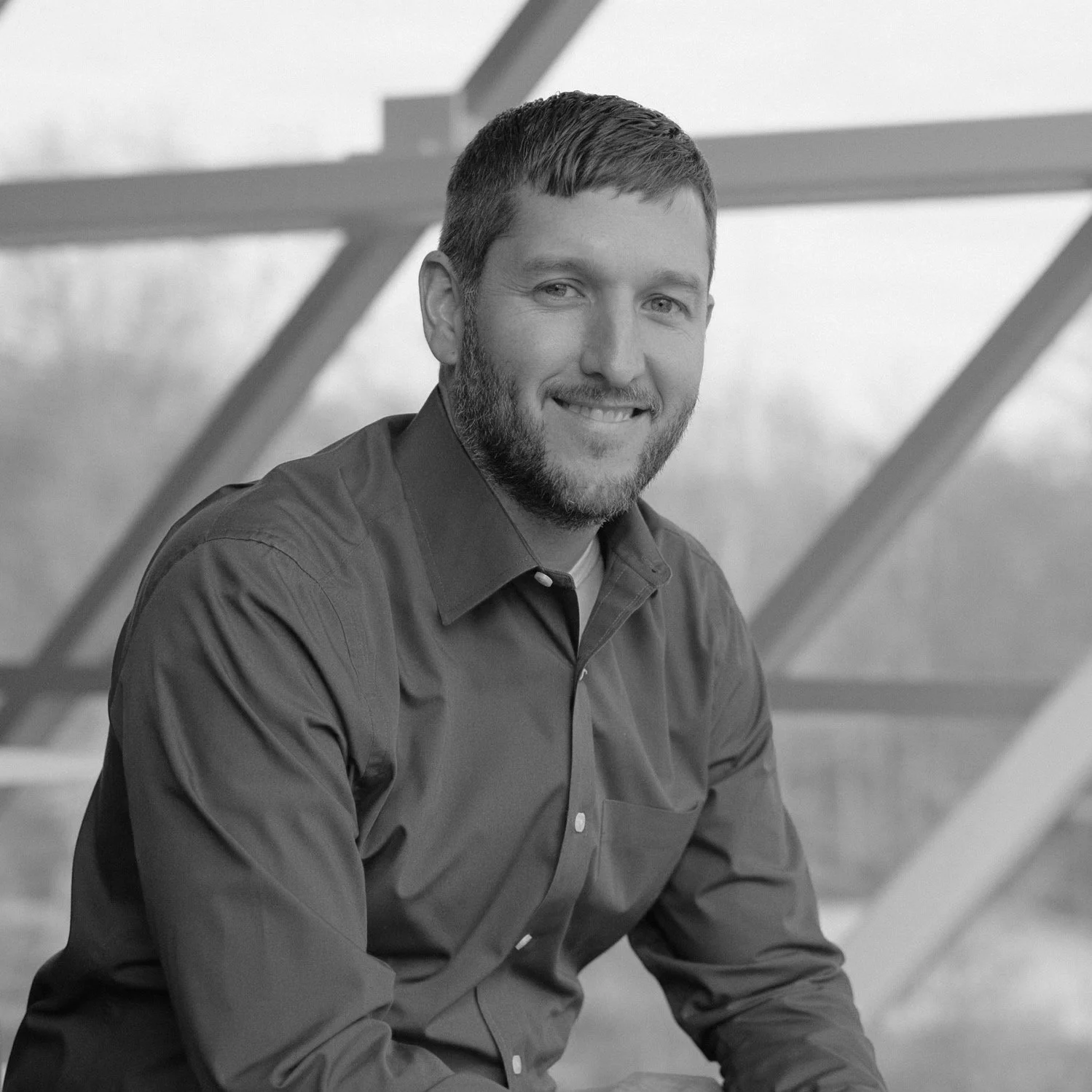
Jon Hord spent years as a high-achieving professional… while feeling like a reactive, stressed-out parent at home. He wanted to be present with his kids, but didn’t know how. His short temper and the missed moments were slowly turning him into the father he promised himself he’d never become.
Through coaching, reflection, and real inner work, he learned how to change. He rebuilt himself by breaking old patterns, mastering emotional regulation, and reconnecting with his children.
Now he guides other driven, busy, high-achieving fathers through the same transformation.
He’s the creator of The Engaged Father Project, an eight-week program that helps fathers shift from reactive to intentional without sacrificing their careers.