Apple Podcasts

 YouTube

 Spotify

 Amazon Music

 iHeartRadio

 TuneIn

 Goodpods

 Podchaser
 RSS Feed
Redefining Success: The Hollow Man Syndrome
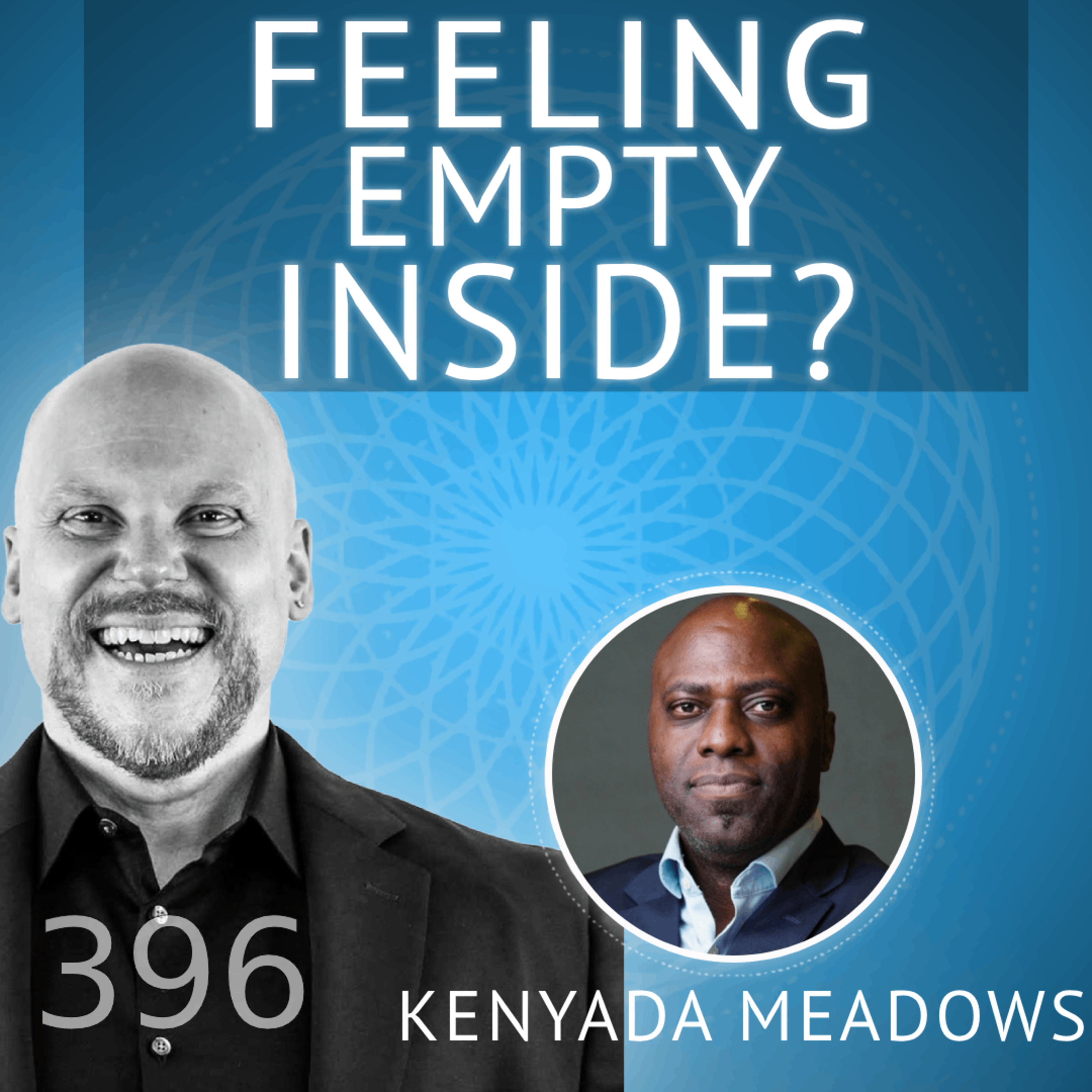
The Hollow Man Syndrome: Redefining Success, Vulnerability, and the New Alpha
Host Andy Grant interviews Kenyada Meadows, a Bank of America senior vice president and master certified executive coach, about “hollow man syndrome”—men who appear successful but feel empty and unfulfilled. Meadows explains the metaphor of a strong tree with decaying roots and describes how hollowing out can manifest as strained relationships, self-medicating, short tempers, or acting out. He contrasts traditional “alpha” achievement-driven masculinity with “emotional integrity,” emphasizing vulnerability, community, and emotional literacy as skills for connection and asking for help.
Meadows outlines his “New Alpha” framework of three domains—relationships at work, at home, and with oneself—critiques the myth of perfect work-life balance with the idea of “wobbling well,” and discusses re-parenting the inner child, grace, and intentional reflection. He shares taking four months of paid parental leave in a competitive Wall Street environment, finding no downside, and encourages men to broaden “providing” beyond money to presence and communication.
00:00 The Hollow Tree Metaphor
00:31 Meet Kenyada Meadows
01:32 Defining Hollow Man Syndrome
04:19 Personal Turning Points
05:37 Mentorship and The New Alpha
08:23 Costs of Traditional Alpha
09:56 Emotional Integrity Skills
14:38 Why High Achievers Feel Empty
16:31 Wobbling Work Life Balance
18:40 Reparenting the Inner Child
21:07 Taking Paternity Leave
24:02 Providing Beyond Money
28:04 Three Domains Framework
29:49 Rethinking Alpha Culture
32:46 Connect and Final Takeaway
36:15 Closing and Community Invite
Connect with Kenyada
Kenyada Meadows — https://www.executiveparentcompany.com/
LinkedIn — https://www.linkedin.com/in/kenyadameadowscpaciacfe/Resources
The New Alpha: Be Three Times the Leader Through Balance, Not Dominance by Kenyada Meadows — https://amzn.to/4bA4BCV
Connect with Andy and the Real Men Feel Podcast:
Join me and connect with other like-minded men in the
Authentic AF Community | https://www.realmenfeel.org/group
Instagram | @realmenfeelshow & @theandygrant
Andy Grant | https://theandygrant.com for coaching, healing, and book info!
Real Men Feel | https://realmenfeel.org
YouTube | https://youtube.com/realmenfeel
#RealMenFeel ep 396
0:00 What we then discover is that the root system was decaying all along, was super shallow, and the inside of the tree is hollow. And I think that's a great metaphor for the way that a lot of men are operating. They assume the roles that they're assigned. They take on additional roles of strength and productivity and being providers and all the rest of it. But they have very weak roots, shallow engagement and relationships. I don't really feel it. Unfulfilled and empty inside. Hello and welcome to Real Men Feel. I'm your host, Andy Grant. Today we're diving into something that a lot of men experience but rarely talk about, the feeling of looking successful on the outside but feeling empty on the inside.
0:44 Our guest today is Kenyatta Meadows, a Senior Vice President at Bank of America and Master Certified Executive Coach who worked with high achieving men struggling with what he calls the Hollow Man Syndrome. Kenyatta spent years mastering the traditional masculine playbook out, working everyone out, performing expectations and climbing the corporate ladder until he realized the cost of that success was his own well-being. Today, we're going to explore why success can leave men feeling empty, why the perfect work life balance is a myth, and how men can reconnect with the parts of themselves that they were taught to suppress. Nope. We had technical challenges about halfway through this episode. So if you notice a sudden outfit change, don't be alarmed.
1:28 All right, let's do it. Hello Kenyatta and welcome to REAL MEN Feel. Thank. You you talk about something called the hollow man syndrome. Could you expand on what that means in in kind of day-to-day life? Yeah. So it's really a metaphor for something that we've seen probably plenty of times and the NR experience, and that's we pass by a tree, let's say, constantly, and it's sturdy and it's big and it's strong. And then after a little bit of weather, maybe rain or a little bit of wind, one evening, we, we, we wake up to the tree lying flat on its side. And what we then discover is that the root system was decaying all along, was super shallow, and the inside of the tree is hollow. And I think that's a great metaphor for the way that a lot of men are operating.
2:18 They assume the roles that they're assigned. They take on additional roles of strength and productivity and being providers and all the rest of it. But they have very weak roots, shallow engagement and relationships. I don't really feel it unfulfilled and empty inside. And so this is where the hollow man metaphor comes from. And I think how how it manifests, you know, I've kind of touched on that a little bit. You're going to see relationships that are just not thriving, that are not growing. They may not be really growing in any clear way and and they're generally going to be feeling that emptiness, but it's not just a condition that's sort of static, right? When you feel empty, you feel frustrated. That could mean that you're medic self medicating or you're overindulging.
3:07 It could mean that you're, you know, your temper is even shorter than they may already have been. And there can be, I think in a lot of ways what we see is sort of midlife crisis and a lot of men and the way that they may be acting out may be a sense of trying to fill that void. So it doesn't necessarily have to be entirely destructive, but it may also just demonstrate some kind of abnormal behavior. So I'd like to think a lot of men listening. I have kind of checked all the boxes that should have life, decide that they are successful, but that hollow man can have all the trappings, the manifestations, but is just feeling empty and lacking and frustrated inside.
3:50 Absolutely. I mean, it's going to be very unique, right? Just depending on, I mean, if you think about a tree, if you think about 10 trees in that scenario, you're going to have various degrees of shallowness. You can have various degrees of being hollow. And they're not all lying on, on their side, right. They are firmly planted, and they may never fall in any kind of critical way that draws significant attention, but that doesn't make them any less hollow or any any less in need. Were you a hollow man? Is that how you discovered this or something else? Yeah, I would say there's certainly elements of being hollow or seeking and needing some kind of fulfillment. But like I just mentioned, there was no particular crisis, right? There was nothing that blew me over or or that was a critical turning point necessarily.
4:39 But I think, yeah, by being intentional and being reflective and thinking about how I wanted to live my life, how I wanted to contribute, how I wanted to plan on what I wanted my life to look like as a father, what I wanted my child's life to look like. Those are some of the things that were, I guess if you have to call them turning points. There were turning points, but they were more intentional, I would say, than necessarily circumstantial. So more decision points, choice points for you as opposed to kind of just going with the flow that might lead you to lack of fulfillment. Yeah, that's right, reflection, but I think that's really, really important. I think that's something that certainly not just men, but you know, we all should should do, you know, are we still on track? Are we still on course?
5:23 What is that course is do we have a new and insight, right. Maybe at one point we thought here's what here's the destination that we want to want to go to. Is that still where we want to go? Is this still the way we want to get there? Was there something in your experience that had you kind of transition from, I want to create my own intentional life to I want to help other men do that? Yeah. You know, I don't know that there was any, any major pivot because I've always been someone who's been interested in mentorship and I've been active in mentorship. I've been active, you know, in board service, looking to get back into board service.
6:04 But I, I signed the board of an organ procurement and transplantation organization for almost 10 years. So I've always been engaged in some kind of of giving. It hasn't necessarily been, you know, flashy or, or major in some, some, some obvious way, But particularly around COVID, listening to, you know, what a lot of men were talking about, what a lot of my friends were talking about what I was feeling. I thought after having done some reflection and some, you know, that thought process, that intentionality, that it would be pretty selfish of me actually to sit on that and not at least put it out there and allow other people to kind of dip into that, well, whenever or however they they chose to. So that's also why, you know, I captured a lot of what we're talking about here today and you know, in this book, the new alpha.
6:58 And I'm pretty proud of some of the, you know, the feedback and the results already the people have kind of shared in the way that it's helped them, women as well, by the way, to help them to appreciate, you know, what some men are going through, why they behave the way they behave and why maybe they're not so articulate about their emotions. They don't have that emotional literacy to express themselves usefully. So I I found it very helpful to share with other men. So you mentioned finding value in being of service, being a mentor as a young man, as a child, did you have mentors? I did for sure. I mean, my father was very, very active all throughout my life, actually all the way through last summer when he passed away. I had other men in, in the neighborhood, in our family systems, you know, in the church, in my school, parents of my friends.
7:53 And those are people who just engage with me directly, right? Of course, there were others that we see regularly or read about who are also our mentors, even if we don't have a direct relationship with them. So I had really good overall. I had good mentors, but I would say that some of that mentorship is not 100% positive because I also was able to observe. Even if I couldn't really understand at the time, I can understand how some of them were going through their challenges and probably not addressing them as well as they could. So your book is called The New Alpha. I think most men, fortunately or unfortunately, are familiar with the traditional alpha mentality, which is kind of that dominance and achievement are the real definitions of strength.
8:36 What's the cost of living that way long term? Well, there are many costs I and we all actually know them, but to articulate them, we have health crisis, we have heart disease specifically, we have hypertension. Like I said before, you know, a lot of these this, this desire to either fulfill or to numb ourselves, to distract ourselves could range from overeating to overdrinking to, you know, engaging in in other illicit activities and behaviors. It could be thrill seeking even, right? I mean, why does somebody seek thrills? They're they're certainly looking for some kind of stimulation, some kind of fulfillment, right?
9:17 And I'm not saying the thrill seeking is a bad thing necessarily, but clearly if you're doing 150 on a highway with other people and families, that's not the same thing as you jumping out of a plane, right? Bless you, do your thing. But there's a lot that actually can be destructive in that way. So I think it can manifest in a lot of different ways and depending on the person's personality as well. You may have people who are just very, very quiet and kind of keep everything inside. You may have some people who are a combination. You have some people who are very vocal and they, you know, push all their problems and their troubles and worries on others. So it could really manifest in a lot of different ways. And you talk about emotional integrity as as really a new strength to ferment, to focus on.
10:03 So what does emotional integrity mean to you? So really I spent time talking about vulnerability and most people, most men, certainly at various points in time, we're taught to hide our vulnerabilities, to hide the deficiencies. And yes, we shouldn't be walking around necessarily with a list of all of our deficiencies and advertising in, in, you know, when we, when we're introduced to others or introducing ourselves, you know, obviously I'm not proposing that we do things that, that don't make any social sense. But certainly in forums like this, communities like this, that you, that you're driving and, and that, that I'm driving, it's good to come together and, and say, Hey, look, here's something I'm struggling with.
10:48 What what's your take? What do you think would be helpful or come and ask for something if you already have a specific ask? So I think from a vulnerability perspective, this is where we can actually build community and then build strength and build ourselves up probably way faster and in a couple of ways specific to the vulnerability. But also by virtue of building stronger relationships and then building the relationship muscle, right, building our ability to ask for help, building our ability to connect with people. Then it will permeate other vulnerabilities, other topics, other deficiencies, and then won't stay that way for long. So I think that's really critical. And then I, I referenced, I think emotional literacy and emotional literacy is really around not just your ability or your willingness to feel your emotions and to feel that vulnerability or to acknowledge it, but then to think about how do I describe it?
11:39 How do I articulate it? How do I tell even if it's not my wife, girlfriend, whatever, my mother, but how do I tell my friends or these guys, maybe they're not my friends really. I've keep my worlds entirely separate. And here's a community that I can come to and be that vulnerable self until I could build myself up. Well, emotional literacy is going to be, how do I articulate my feelings? How do I ask for help, right. And that's something that I think a lot of people get very frustrated with, men and women alike, when it comes down to saying what they need or thinking it through and having to put it into words, they get frustrated. So sometimes it's because they can't do it. They don't have the words for it.
12:20 And then there's also times when they can't control their emotions or their feelings around their feelings, right? And so that's a very easy thing to try to avoid. And sometimes I don't even want to think about, you know, the ways that I need to do the work right, or, or what the reason is for feeling a certain way. I'm gonna say, OK, you know what? I'm just going to go for a walk. I'm just going to take a nap or I'm just going to go meet my friends. When really what it requires is maybe sitting down with a piece of paper and plotting out why it is or how did I get to this place or what is it that I'm really trying to achieve and who is it who can help? Or whatever the case is, or even how can I reflect on who it is that I can share with and help? You know, that requires a lot of intentionality. It requires discipline and a lot more effort than sometimes we're willing to put in.
13:08 So it's really, again, another learning. Yeah. Yeah, I've been talking about the power of vulnerability for a decade now, and I still meet so many people that think a man who's vulnerable is bawling in response to anyone. Somebody says, hey, how you doing? And like, no, that's not your, but your willingness and ability to be vulnerable when it serves the purpose the the the stage, the container you is not about being so emotionally open and wounded that you you lose all control of yourself. That's right. Well, I mean a lot of vulnerability. And he can also just come even in the form of Jest, right? I mean, you can make a self deprecating kind of comment or the way that people kind of tease one another and tease themselves and still be communicating the need.
13:55 So it doesn't have to be all soppy and you know that you're crying. You can say, hey, you know what I'm pretty good at at this, this and this. But what I'm not particularly good at is creating a bridge between this and this or, you know, I'm not able to effectively communicate with other people. Maybe my nonverbals are not so great. What what do you think about that? Right? Like my face does this thing when I get frustrated. I'm not very good at being able to hide it. OK, well, one, do I need to hide? Do you need to hide it? And two, maybe here's some tips that can help you to mitigate that and hide it. Or three, here's some tips that help you to not be so frustrated and annoyed by the thing that's frustrating and annoying. It's I mean, there's so many ways to think about it, so many ways to approach it.
14:36 And so you're 100% right. And I know you've worked a lot in corporate world with lots of executives. From my experience with those sort of people, it seems often the highest performers can feel the emptiest. Well, yeah, I mean, there's no question about it. I mean, I was, I was one of those people, right? I was an executive on Wall Street for the, you know, the last decade. And yeah, I think not everybody does. But but a lot of what life requires, that kind of a life requires is in my book. I talk about the three domains, your relationships with people at work, your relationships with people at home, your relationship with yourself. And I think very often we don't really focus on the relationship with ourselves across the board, not just executives, but certainly when you have to work, you know, lots of hours or you know, you're under incredible pressure and having to make decisions and thinking about the company's brand or whatever the case is, you know, you have to make some, some decisions and some things maybe may, may come into intention, right. They may come into attention.
15:38 And so there may be a feeling of emptiness in those other areas because we're siphoning off energy. We're siphoning off time to help to keep pumping up and propping up, you know, our, our, our work domains. And that's not exclusive to executives, but you definitely can see it, I think at scale because they're working really hard. Lawyers are working hard. Doctors may be feeling that as well. And they have, you know, some of the highest suicide rates and some of the highest substance abuse rates of anybody else, the people who know the body, who understand the body better than anybody else on the planet, pretty much, Right. And so that alone, knowledge alone isn't all that's going to keep us, keep us safe. It's not all that's going to help us to feel fulfilled. And so I think that's a big part of why we're we're oftentimes just not maintaining that balance between those across those domains.
16:31 Yeah. And another type of balance I've I've seen you talk about is the notion of perfecting your work life balance. And you talk about something that I really like the idea of called wobbling. Well, So what? What does that mean? Yeah, so, so, you know, people talk about perfecting work life balance and what work life balances. I can tell you what it isn't, right? So if you're thinking that you're going to spend 8 hours with your friends and family, 8 hours at work, 8 hours for yourself all the time, every every day, every week, every month, you're deluding yourself and you've pretty much failed. You will find that you failed before you even really start. The example I use in the book is of of sort of world class cyclists, right? When you see those guys coming down for the Tour de France or when you see them in the Olympics and they're they're really sprinting.
17:17 What you see is the bike kind of going almost crazy, almost like a pendulum, right? With each push and thrust to the legs, the bike is really not staying perfectly still. A pendulum is swinging at any point almost is it never completely vertical, which we might call balanced or or or static, right? It's on average. So for feeling well, well, you're going to need to spend some time focused on yourself, focused on a family member who may need some attention. You may need to spend more time with your kid at school or to deal with some disciplinary issue. You may need to spend more time, like we spoke about already, actually with putting out a fire at work or dealing with a project or maybe the seasonality with your work at various periods.
18:07 It's going to be more busy. You're going to have to sacrifice more. And that's that's fine. But the key is on balance and in reflection, how much time am I sacrificing in one domain or how much time am I giving in one domain? And does that actually help me to lead an integrated and reasonably balanced life? And so that's the idea behind, behind Wobbling Well, that we're going to be that pendulum constantly swinging across those 3 domains. But in the end, can we still feel or can we still say that we've done a good job of integrating? So Kenyatta, you talk about the importance of re parenting your inner child. I imagine that's not work or even a phrase that many men are familiar with. Could you expand on what that work means? Yeah.
18:54 So basically it's just about taking accountability and taking responsibility for who we are, where we are in our lives, right. We have all been affected positively and negatively by the things that have happened yesterday, last week, last year, and certainly in our childhood going back to to those formative years. But at some point, all the things that we didn't get or the things that were problematic for us, unless we're going to live a life that is continually structured and constrained and scarred by those things, we're going to have to do the job that even the best intentioned, most loving guardian parent, teacher, whomever didn't know, wasn't able to do what they weren't equipped for or the time obviously being different didn't require. And so reparenting yourself is really about thinking now as an adult and maybe even a parent, what is it that I need? What are my vulnerable spots?
19:49 Where have I not been greater? Where am I not good? And actually taking some accountability for, for making those changes and, and, and being intentional about it and then building on it. OK. So it's, it's some self reflection, looking at your own personal history and being honest with yourself. I I feel like a lot of guys like well, happened a long time ago. You should be over it so that it's that's that's not reparenting your inner child. No, not at all. And actually that's a, you know, it's an additional point that I think is worth is it's worth making that you just touched on is really good, I think as parents, if you're a good parent there, it also requires some patience, right? It also requires grace and forgiveness and an understanding that mistakes will happen, that people won't get things right the first time, etcetera, etcetera.
20:34 And I think having that same kind of grace with ourselves is useful as we repair it because we're going to still fall into patterns. We're still going to make mistakes, we're still going to have shortcomings. But as long as we continue to be intentional and focused and even ask for help, right, which is something that we expect to our children, our children and other people to do. If you don't know how to do something, ask the question, Come and get me, I'll be happy to help you. So I think, you know, having that kind of patience and grace with ourselves is also really important. Cool. And in the realm of actual parenting, I I know that you took some extended leave when you first became a father. Was that a difficult decision or? Yeah, it was actually, believe it or not. So I had four months paid, fully paid. And for most people, that would seem like a, you know, a no brainer.
21:25 But being in a, you know, a competitive Wall Street environment, you know, any significant absence could mean that, you know, a, a meaningful project could come on board or something that you're responsible for within your portfolio. That stuff might change. People may realize, hey, you know what, we actually did find a workaround. And even though maybe it isn't ideal, it's better than having to pay this guy to do it. Let's put him somewhere else or have him do something else. I mean, those weren't necessarily very specific risks that I was like staring down the barrel of something specific, but those were some of the the thoughts that went through my mind and the go through the minds of other people who don't take that leave, right. So even though it's available, there is still kind of a question in a lot of people's minds. Is that something that's kind of just on paper? Is it something that maybe more junior people could get away with who don't have teams or who don't have major responsibilities?
22:20 Is it something that maybe someone who is more stagnant in their career or happy wherever they are and not aspirational, not looking to, you know, try to get promoted or, or, or take on more responsibility, Maybe they would be happy to do that. So for me, you know, it was much more complicated than saying, well, I'm going to take, you know, four months off. And, and by the way, it's not really four months off. It's four months away from your profession, but actually still doing the work of a father and a partner, right? And, and taking care of yourself, which is also a really important thing that I talk about in the book in terms, of, you know, that relationship with yourself. So that was really useful time for me. It was not an easy decision to make, but ultimately I was happy that I made that decision and I did take that time.
23:02 And did they approve to be a a downside at work when you returned at all or was everything? Good. Great question. There was no downside whatsoever. And in fact, a number of the people that I, well, several of the very senior people more senior than me that I had spoken to when I came back, I'd spoken them before I took leave. And when I came back, you know, they said, hey, you know what, you're an incredible role model. You know, I'm so happy that you took that leave. You really set a good example. And also, I think a big part of it for me was that I did have a reputation for being a, a, a diligent person who, you know, work hard and had high standards for my team and the people that I worked with and so forth. And then I did produce. So it wasn't seen as me really shirking responsibility.
23:45 It was seen as me, you know, my taking on my responsibility at home, my responsibility to myself, putting work in its appropriate place, that yes, I can be serious about it, yes, it does matter to me. But no, it is not all that matters. And no, it's not the most important part of my life, and certainly not right now. Yeah. What would you recommend to people? A man that is struggling between I've got to keep providing and I want to be present at home. Is it just deciding what's more important to you? Well, I don't know. I mean, ultimately, yes, you have to decide what's more important, but I wouldn't say that it's just deciding because it's not easy. And sort of as we spoke about in terms of wobbling, well, what is required, it's not a static state.
24:25 Some days you're going to have to put in more time at work. You're going to have to pick up an extra shift. You're going to have to work on, you know, work on your project on the weekend or do some emails. Or you might have to while you're burping the baby or changing the diaper or whatever it is, you're either thinking about stuff where you're leaving a voice note, whatever the case is. I mean, that has to, you know, you have to find that balance. But certainly your primary responsibility is providing for your family. The question is, is providing for my family, the way that I've been doing it, the only way that it can be done right now? So I think, I think sometimes people are making a false choice between what they have or where they are and what they want or what they think is necessary. And there can be some variability in terms of how do I provide on this side, but then also what is necessary for me to provide.
25:12 Maybe we can cut back on some things. Maybe what I really was hoping to achieve or what I really wanted to provide or produce. I don't really even need to now. Maybe not at all. Maybe it's aspirational. Maybe I want to stock up some more on my child's education fund for 20 years from now. I mean, we, we should just make some decisions, not easy decisions, but we have to make some critical decisions. And then that's a part of being an adult. And frankly, I think that's just a part of being a, a man. That's a part of being a leader in any capacity. You have to make hard decisions. Yeah. And one thing I find talking to so many guests, I, I like to stress the importance that providing as a man, it's not just money, It is your presence, your, your love, your attention, your answering questions.
25:53 It there's so much more, but I think so many guys would just think they're nothing but but the the the checkbook. Absolutely. And Andy, one of the things that I mentioned in the book as well is that a lot of, and this is really a really important point, a lot of what we aim to provide for our children are the things that were either taught to us or that we experienced the children that we thought were were important. But that doesn't mean that that's what our children will necessarily value. So, for example, if wanted, you wish your guardian or parents could have given you a down payment for your first, first home, or you wanted a car and you know, all your friends had one, but your parents couldn't get you 1.
26:36 So you're thinking yourself, well, I want to make sure that my kid has a fund for a nice car when they turn 16 or 18 and it's going to be a beautiful graduation present, etcetera, etcetera. As such, I have to get promoted, I have to work harder. I have to take them on all these fancy vacations or do certain things. Yeah, they're probably going to appreciate it, but maybe not as much as you would have have have appreciated it. And it probably doesn't mean as much to them as you might think. And it may not mean as much to them as spending time with you or having you in a good mood when you're at home, right. So is that car worth your bad mood? And you're being tired or you're being distracted for months or weeks or years even on end because this is how you're wired and how you're thinking and approaching, approaching problems. And then one of the things too that I think is kind of ironic and and unfortunate is that because a lot of men have taken on this kind of pressure to provide things for their family, and the family doesn't really understand where that's coming from.
27:34 They don't understand the significance of it. I mean, they may not even be aware of it. That leads to a feeling of dissatisfaction that the man may feel that he is not being appreciated for all the sacrifice that he makes over all the things that he's trying to provide. But the reality is nobody really understands that. And the meaning that he's attributing to it is not meaning that they're going to be getting out of it. So, so it's really important to have that kind of clarity, to have that good communication and to try to again, strive for that balance. Beautiful. I believe in your book you talk about you. You've created 3 pillars of the new alpha. Can you share with those 3 pillars are? Yeah. So, so I, I also refer to them as a three domains. So the three domains are really based on the relationships that you have with people at work, the relationships that you have with people at home. So this could be your children, your partner and the relationship with yourself.
28:27 And so the idea there is we've got a lot of clarity in terms of frameworks for work. We have measures of success. We have, you know, routines and we know when we're going to talk about performance and, you know, we have standards for feedback and, and, and, and making changes. We don't generally have those kinds of frameworks at home. We don't generally have measures of success at all. We don't have values systems and placemats and mottos for families. And we don't generally dedicate as much time to our own well-being and our health and our own growth as we do to the progress of our companies, which may not even be our companies, right.
29:09 We may not have any particular stake other than to be an employee or a stakeholder in the company. Not that that's nothing, but again, why are we investing the best of what we have in terms of time, energy, knowledge for somebody else's dream as opposed to fulfilling our own lives or the lives of the people around us and who depend on us? So on the three, the three domains of those 3 pillars are really important because one that allows us to think about how do we create balance across them? How do we create balance within them and by bringing them all together, it's how you how you would establish a fully integrated and well balanced life. Cool. I got to be honest, Alpha is something I've just, I've always hated that term.
29:54 I find like the manosphere is just full of so many people talking about and I'm an alpha. I'm an alpha and I in my actual life, when I've met guys who are naturally in charge, naturally being things, they've never had to say I'm the alpha. So now we're doing this etcetera. So what? What is that original term without without your 3 domains? What does that term bring up for you? Well, it brings up exactly what you're, you know what you're talking about. And I think there's some tradition in the word and there's some hyperbole in the word and there's a lot of exaggeration in the word. And so the idea here is to challenge that, right? It's to challenge this notion of being hyper masculine and super tough and not being vulnerable and actually redefining what success looks like.
30:37 Understanding that strange is built up on vulnerability. The connection is built on vulnerability. It's built on asking for help and also offering help, right. And so I think that is incredibly important. And, you know, it's, it's interesting when people talk about being an alpha, it's like kind of saying that you're humble or, you know, when, you know, maybe some lady says I'm really classy. You know, who, who, who, who, who is, who is classy? Which classy person says I'm classy, Right. Which humble person says I'm humble? Most of the people that I know that I would consider alphas in a healthy sense would never, would never probably even think of declaring themselves.
31:19 They simply are. Yeah. Cool. Yeah. I was going to ask, like, is the Wall Street environment, did it have people, like, proclaiming it and not, you know, I'm the new Wolf of Wall Street? But no, it was done by their their actions, their presence. Yeah. I mean, and I think, you know, look, so, so if you take the two largest banks in this country, they have maybe in total around half a million people who work for them. And they're not all in this country. They're based, but the banks are based here. But you know, and most of the people here, but they're global operations. If you think of any 500,000 people, you're going to get people of all kinds, some people who are very shy, some people who are very thoughtful, some who are braggadocious, some who are super smart, some who are OK. But at the end of the day, one of the misnomers or misunderstandings, I would say anyway, about Wall Street is that it's full of arrogant and thoughtless people. Of course there are plenty of those people, but you have plenty arrogant plumbers and cops and bakers and right bus drivers for sure in this city.
32:20 And so I, I think that Wall Street does in many ways get a bad, get a bad rap a little bit. But yes, it is, it is certainly a part of that classic kind of stereotypical Wolf of Wall Street ideal. That isn't generally what I've come across. And I don't think that generally exists really in in the Wall Street environment. You're not really going to be very successful, frankly, if you if you behave that way predominantly. So, Kenyatta, what's the best way for people to connect with you? Are you especially active on any social media? So especially LinkedIn actually. So to be frank, I'm not a big social media hound, but but the best, the best place to reach me from a social media perspective would be just a follow on LinkedIn.
33:04 But also, you know, people can go to my website, executiveparentcompany.com, all one word and there you will find out, you know, what was really the driver behind establishing executive parent company. You can read more about the book and there'll be some upcoming books as well. So you should continue to to check that space on this coaching that's available. And also in short order, there's going to be additional information about workshops that I provide for others and what people can expect to get out of those. Beautiful. Finally, Kenyatta, what is one thing you wish more men knew? So I touched on it a little bit and I think it really boils down to how freeing it is when you don't hide or don't feel compelled to hide your weakness or your vulnerability.
33:52 It is just so liberating to say, hey, you know what, I'm not good at that and I'm going to work on it. Or you know what? I think I could use some help on that, believe it or not. And I'm not going to get into, I guess all the details because it's kind of boring, but I had an epiphany, which is no epiphany at all really, probably for most people. And it was, I think I was just ready for it. I was ready to see what I just could have seen or should have seen. And I reached out to a number of people and I said, hey, how did you make that decision? What was your thought process when you were going through, what were, what were the tensions that you had to balance when you kind of made, you know, when you committed to this, to this decision?
34:35 And it was just so interesting getting the feedback. And it was so interesting being sort of in a, in a student kind of position where I was just learning and, and absorbing somebody else's perspective. I'm often doing that in terms of an exchange. I love, you know, I'm, I'm super intellectually curious. I, I love reading, I love learning. But it was just very different sort of feeling that openness as it relates to a question that I had or something that I have been struggling with or, or, or wrestling with. And so I think the more that we can, the more than men can open themselves up to that, the better it will be. However, they have to find the community. One of the things that I've found is or, or a community that works for them.
35:20 One of the things that I've found is that men are the most open and vulnerable with other men, primarily when there's an environment that is conducive to that type of sharing. And so I would highly encourage people to try to find those environments. And I wish, wish men the most success in that. But that's one thing I definitely not only wish that they knew, but that I hope that they can discover for themselves. Yeah, and that's a great point to beyond just knowing it, do something about knowing it. Right. Cool. So can I really want to thank you for sharing a bit of yourself and your openness, your vulnerability and you're dealing helping me deal with some frustrating tech issues as we tried to get through this episode. Again, thanks for so much that you're doing and being the example of the of the ideal alpha. Perhaps you know another new term to phrase it, but sure. But this was a real pleasure for me. I really, really, really enjoyed it. Thanks again to Kenyatta for bringing this conversation to Real Men Feel.
36:18 If you're listening and something in this conversation resonated with you. That feeling of looking successfully outside but knowing something deeper is not aligned. You're not alone. Real strength isn't pretending everything is fine. Real strength is being honest with yourself. And if you want a place where men are having these kind of conversations every day, I invite you to join us inside the Authentic AF community. It's a space where men drop the masks, talk about what's really going on, and support each other and becoming the men they were meant to be. Join us at realmenfeel.org/group and until next time, be good to yourself.
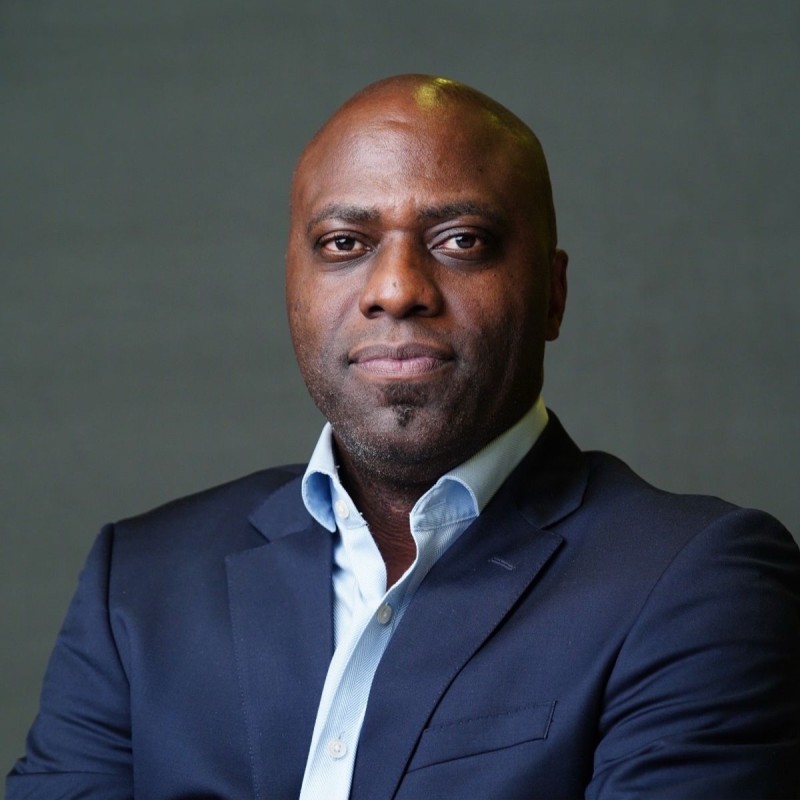
Financial services executive, governance expert, and board member with 25+ years leading audit, risk, and compliance across glob
Kenyada Meadows is a Senior Vice President at Bank of America and a Master Certified Executive Coach who helps men break free from the "Hollow Man" syndrome. He spent years mastering the traditional playbook of outworking and outperforming until he realized he was cannibalizing his own well-being to sustain it. Now he teaches high-achieving men how to redefine strength through his framework called the Three Pillars of the New Alpha. He helps fathers and executives stop sacrificing their humanity for a paycheck so they can lead with emotional integrity and balance.